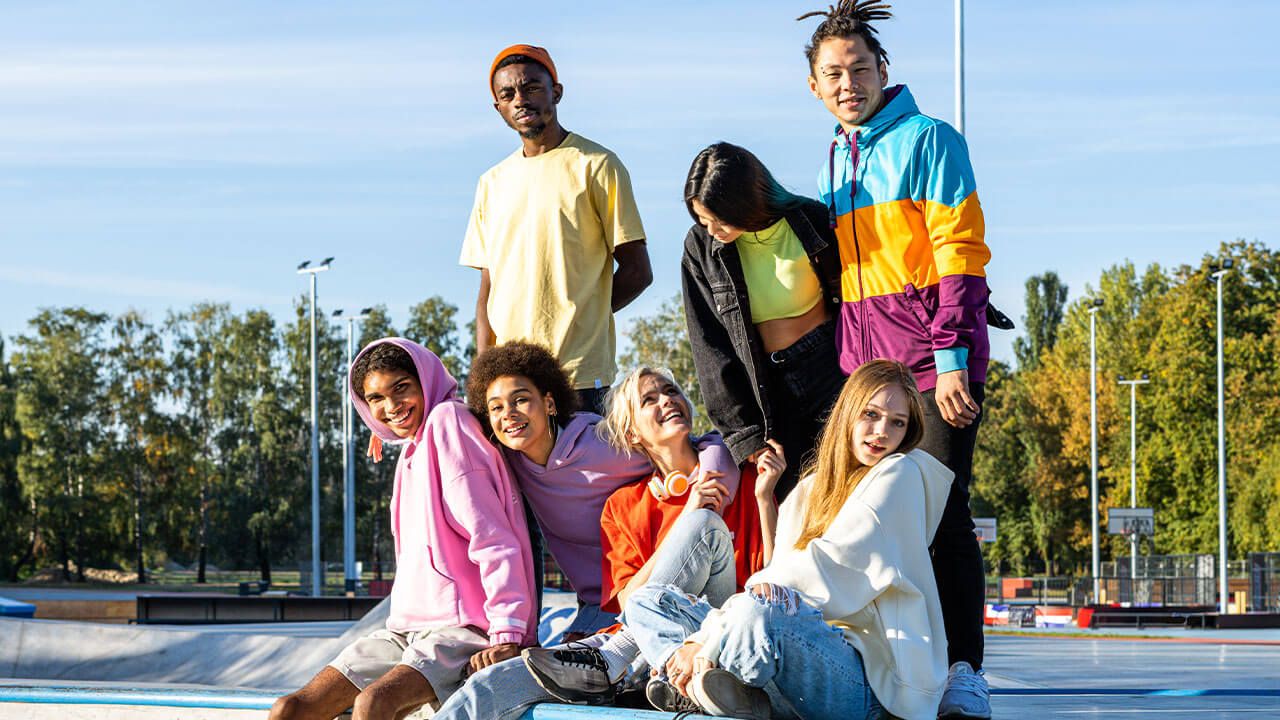
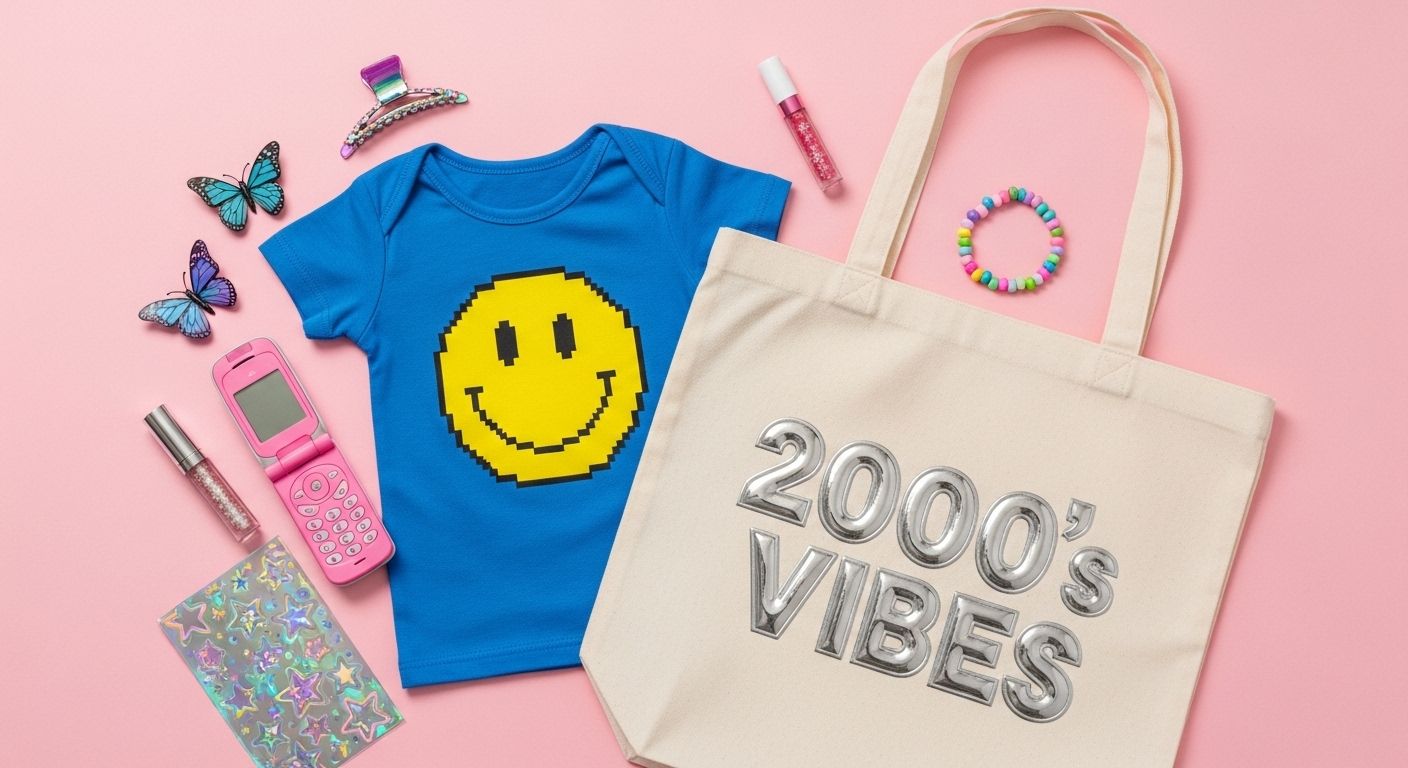

Here’s a bold statement: Gen Z fashion style doesn’t actually exist. At least, not in the way we’ve traditionally understood fashion for decades. There is no single, monolithic look that defines this generation. Instead, their style is a fluid, hyper-personalized, and ever-shifting collage of internet-born micro-trends, nostalgic revivals, and deeply personal values. This generation, which accounted for over 20% of total global spending in apparel in 2026, wields immense economic power, yet their aesthetic is purposefully elusive. For creators and ecommerce brands, trying to pin down a single “Gen Z style” is a losing game. The winning strategy is to understand the mindset behind the movement. This guide is your playbook for decoding the core principles of Gen Z fashion and using production on demand to build a brand that truly connects.
Main takeaways
Here’s what you need to know about navigating the world of Gen Z fashion style in 2026:
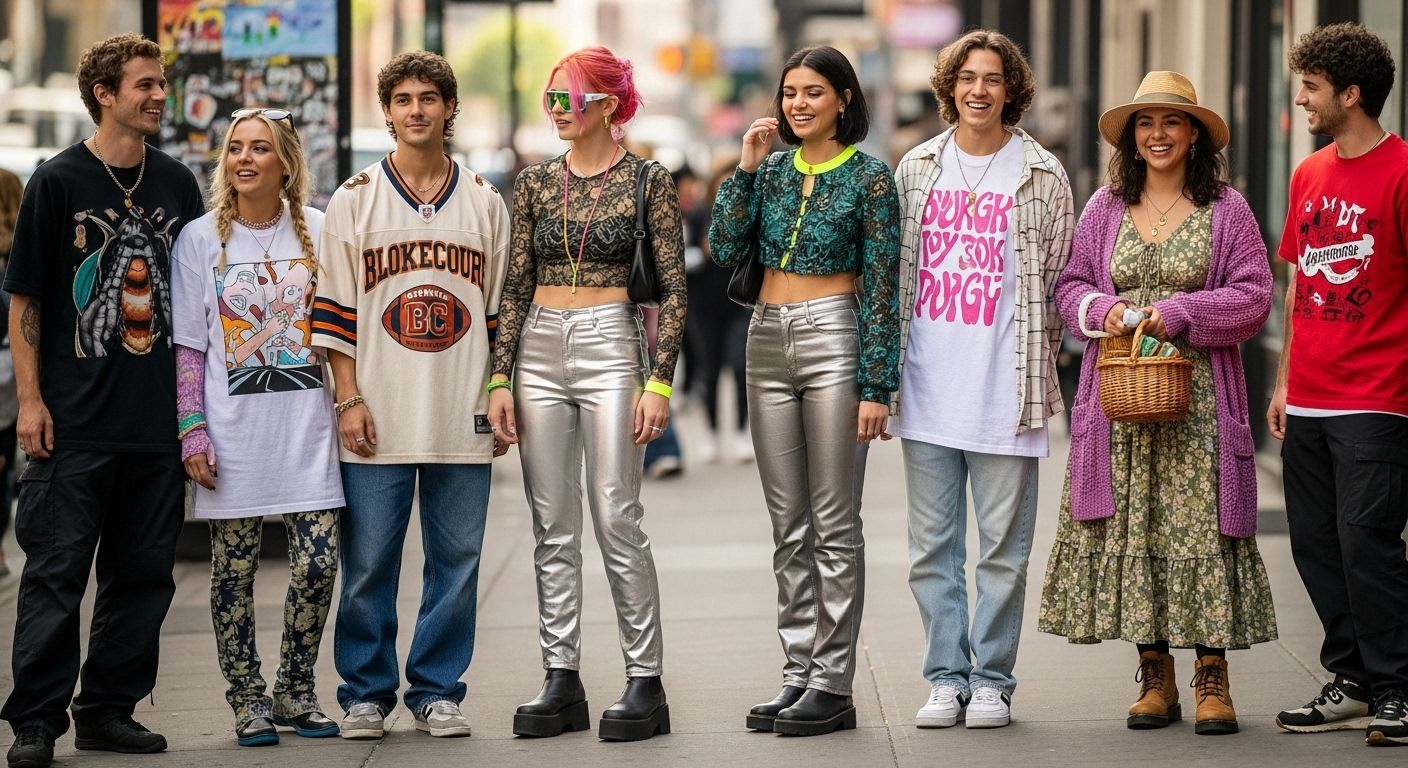
It’s a collection of 'cores,' not a cohesive look: Gen Z’s style is defined by a rapid cycle of niche aesthetics known as ‘cores’ (e.g., Cottagecore, Balletcore, Blokecore). Authenticity within a niche trumps mass appeal.
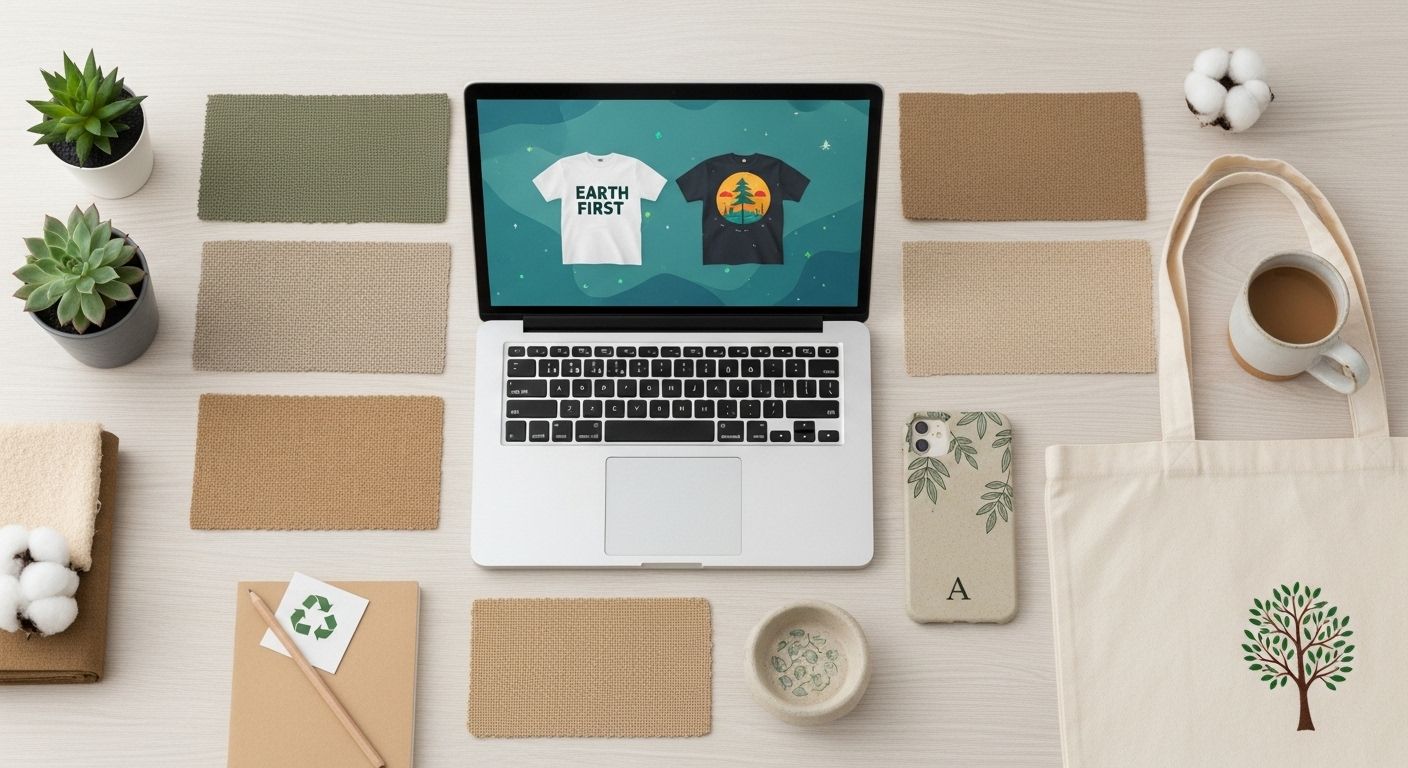
Sustainability is the standard: With the secondhand market projected to hit nearly $350 billion by 2028, sustainable and ethical production is no longer a bonus—it’s an expectation. Practices like local production on demand are a major selling point.
Authenticity and values drive purchases: According to fashion expert Lucie Greene, Gen Z values “authenticity and storytelling above all.” Brands must have a clear voice, stand for something, and engage with communities, not just broadcast to them.
Discovery happens on social media: Nearly 65% of Gen Z consumers use platforms like TikTok and Instagram as their primary source for fashion inspiration. Your brand must be fluent in the visual language of these platforms to be seen.
Gender fluidity is the norm: Rigid gender lines are dissolving. Unisex designs, inclusive sizing, and marketing that speaks to everyone are essential for modern relevance.
Agility is your greatest asset: The speed of micro-trends means traditional, seasonal production models are obsolete. Production on demand allows creators to test, launch, and scale designs in real-time without inventory risk.
Beyond the hype: Understanding the Gen Z fashion mindset
To effectively create for Gen Z, you must look past the clothes and understand the cultural drivers behind their choices. For this generation, fashion is less about conforming to trends and more about crafting an identity. According to a fall 2026 survey from Piper Sandler, apparel remains the top spending category for teens, representing 23% of their wallet share. This isn't just about looking good; it's a critical tool for self-expression, communication, and community building.
Unlike previous generations who looked to magazines and runway shows for direction, Gen Z’s style is decentralized and democratized. Trends bubble up from individual creators on TikTok, niche subreddits, and gaming communities. This bottom-up approach means authenticity is paramount. They can spot a brand that’s faking it from a mile away. They crave genuine connection and want to buy from creators and brands that share their values, whether that's a commitment to sustainability, a passion for a specific subculture, or a shared sense of humor.