Personalized products + up to 33% off Activate offer now ➜

Content

A guide to print on demand sportswear

A recent report revealed a striking consumer trend: in 2026, a massive 71% of shoppers expressed a desire for personalized products, according to McKinsey & Company. This isn’t just about adding a name to a t-shirt; it’s about a fundamental shift toward products that reflect individual identity, community affiliation, and unique passions. Nowhere is this trend more powerful than in the world of athletics, creating an unprecedented opportunity for creators to build thriving sportswear and print on demand business ideas that resonate deeply with niche audiences.

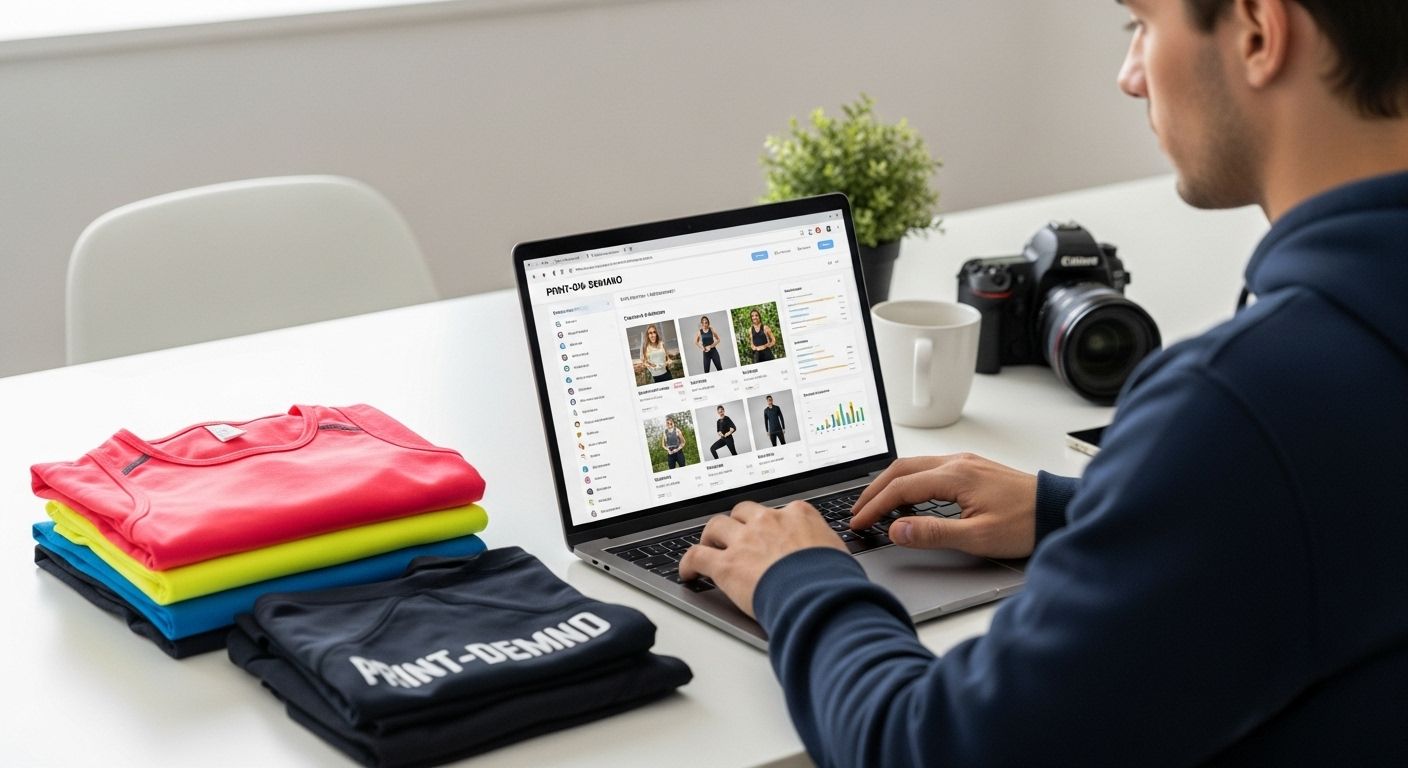
For entrepreneurs and designers, this means the game has changed. Instead of competing with global giants on price, you can win on personality, community, and hyper-specific designs. With production on demand, the barriers to entry—like inventory costs and manufacturing minimums—have vanished. You can now launch a professional sportswear line focused on a local running club, a booming new sport, or a specific fitness philosophy, all from your laptop. This guide is your blueprint for navigating this exciting landscape, backed by current data and actionable strategies.

Main takeaways

Here’s a quick summary of what you need to know to succeed in the print on demand sportswear market:

  • The market is massive and growing: The global Sports Apparel market hit US$223.3 billion in 2024, and the activewear segment is projected to grow significantly. This massive scale leaves plenty of room for niche players.

  • Niche is the new mainstream: Forget trying to appeal to everyone. Success lies in hyper-specific niches, from the surge in pickleball and padel to hyper-local community sports clubs.

  • Community comes first: The most successful brands don't just sell apparel; they cultivate a following. Use the "Community-First" model by building an audience before you launch your products.

  • Sustainability is non-negotiable: Modern consumers, especially in the EU, prioritize eco-friendly production. Brands using sustainable materials and inks see higher customer loyalty and retention.

  • Technology is your co-pilot: AI-driven design tools can accelerate your launch timeline, while data from platforms like Google Trends can help you validate your niche before you invest a single dollar.

  • Technical details matter: Success in sportswear requires attention to detail. Always order samples to check color accuracy on polyester fabrics and provide detailed size charts to minimize returns.

The state of play: Why the sportswear market is ripe for creators

The statistics paint a clear picture: the sportswear industry isn't just large; it's a dynamic and evolving space. With revenue in the global Sports Apparel market reaching approximately US$223.3 billion in 2024, the commercial opportunity is undeniable. But the real story for creators lies beneath the surface of these headline numbers.

A major driver of this growth is the cultural shift toward what experts call "performance lifestyle" apparel. A 2026 report from Euromonitor International noted that consumers are increasingly wearing athletic gear not just for workouts, but for work, social events, and daily life. This blurs the lines between fashion and function, opening up new design possibilities that go beyond traditional team jerseys. People want apparel that performs during a 5k run and looks great at a coffee shop afterward.

This cultural shift is perfectly timed with technological advancements. The digital textile printing market, valued at over USD 3.0 billion in 2024 by Grand View Research, is the engine behind production on demand. It allows for vibrant, detailed, full-color designs to be printed directly onto performance fabrics without the need for expensive, large-batch screen printing. For creators, this technology is a gateway to offering high-quality, customized sportswear with no upfront inventory risk. If you're new to this model, your guide to launching a POD e-commerce business can provide a foundational understanding of the logistics involved.
Niche down or go home: Finding your profitable sportswear angle

In a market this vast, the key to standing out is to think small. The most successful sportswear and print on demand business ideas are built on a deep understanding of a specific subculture or community.

Tap into surging niche sports

While soccer and basketball dominate the headlines, explosive growth is happening in less-traditional sports. According to a recent CNBC report, the demand for activewear related to pickleball and padel surged in 2026 and 2026. These sports have passionate, tight-knit communities that are hungry for apparel that represents their identity.

Imagine launching a brand called "The DINK Master" or "Padel Warriors." You could create moisture-wicking shirts, shorts, and visors with clever, insider designs that a generic sports brand would never think of. By focusing on this underserved market, you can build a loyal customer base quickly. With Gelato, it's simple to design custom men's athletic wear tailored specifically to the movements and aesthetics of these fast-growing sports.

The 'hyper-local' hero strategy

Another powerful strategy is to go "hyper-local." A 2026 Shopify insight highlighted that successful brands are targeting niche community sports clubs. Think about the running clubs, CrossFit gyms, yoga studios, and intramural leagues in your city. These groups already have a strong sense of identity but often rely on generic, poorly designed apparel.

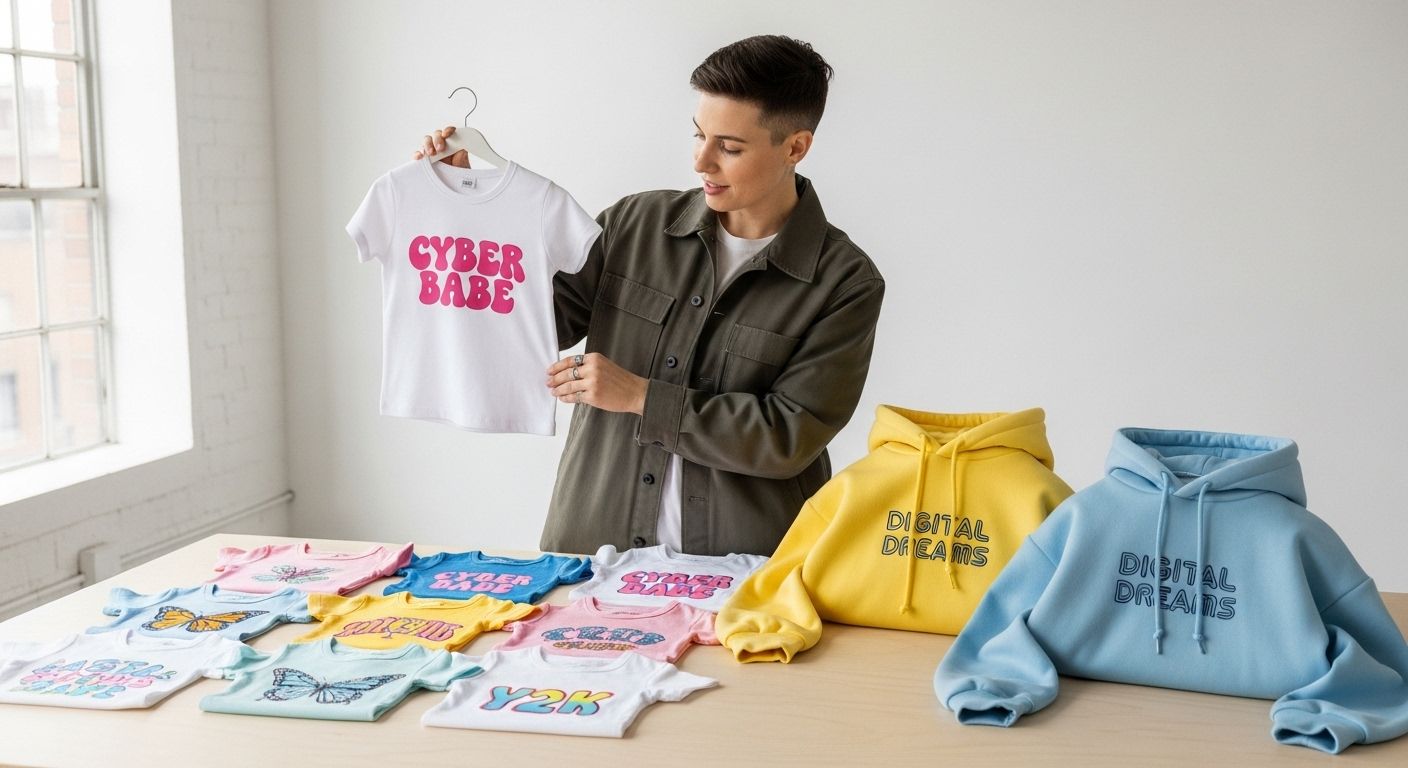
You can become their official (or unofficial) outfitter. For example, a creator in Austin could launch a line for the "Zilker Park Running Crew," featuring designs with local landmarks and inside jokes. Post-workout or for team events, you can create branded hoodies for teams and gyms, solidifying that sense of belonging and community pride. This approach builds an authentic connection that global brands can't replicate.

Dad with sports card

Build a community before you build a store

A 2026 Forbes article championed the "Community-First" model: build your audience before you ask them to buy anything. Start a social media account or newsletter dedicated to your chosen niche—be it trail running, urban cycling, or prenatal yoga. Share valuable content, tips, and stories. Organize virtual challenges or local meetups.

Once you've built an engaged community of a few hundred or a few thousand followers, launching your apparel line becomes a natural next step. Your first customers are already there, and they feel a sense of co-ownership in the brand. This method transforms a transactional relationship into a loyal following. To get started, learn how to make and sell merchandise profitably by focusing on value and community engagement first.

Designing sportswear that sells: From AI concepts to customer closets

Great design is the heart of any successful apparel brand. It's about more than just a cool logo; it's about understanding trends, consumer values, and the technical aspects of the fabrics you're using.

Leveraging AI for rapid design iteration

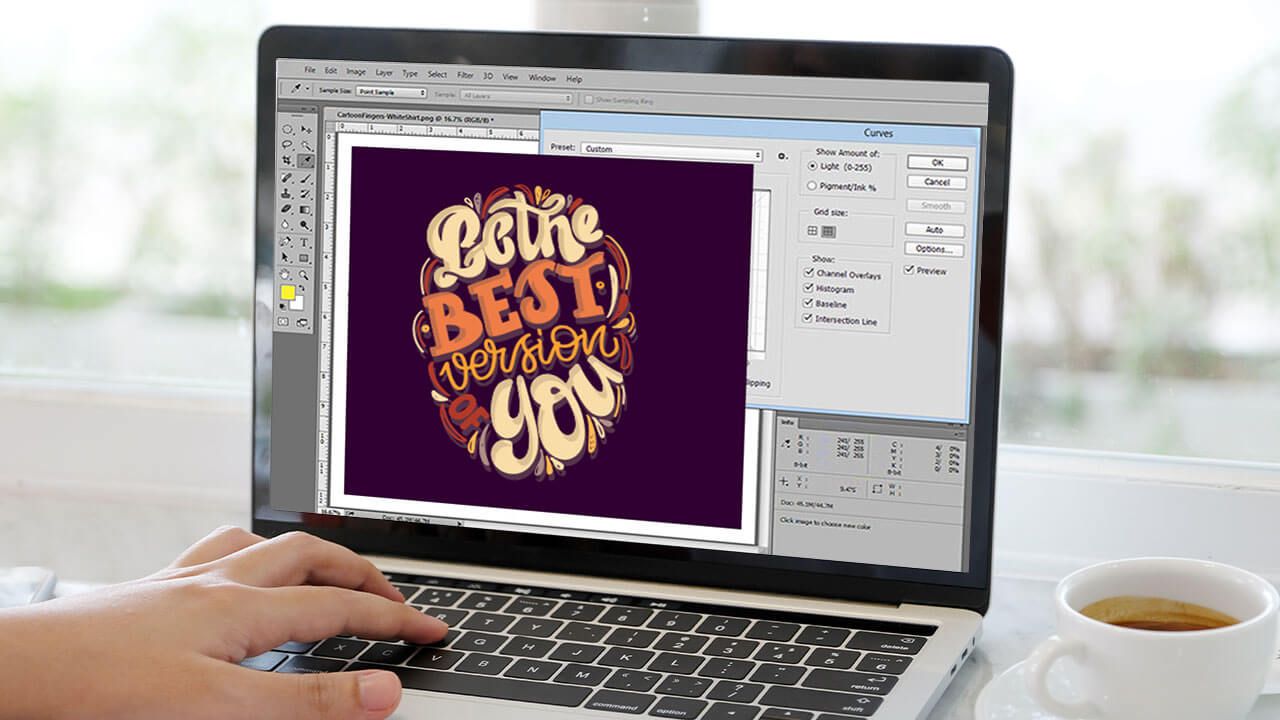
The creative process has been supercharged by technology. In 2026, Bain & Company reported that AI-driven design tools enabled creators to launch seasonal collections five times faster than traditional methods. Platforms like Midjourney can generate dozens of visual concepts in minutes, while tools like Canva allow you to easily refine those concepts into print-ready files.

This speed allows you to test more ideas and react quickly to emerging trends. Did a new fitness challenge go viral on TikTok? You can have a collection of themed designs ready in a day, not a month. To make your designs pop, you can also discover trending colors for your sportswear designs and ensure your collection feels fresh and modern.

Aligning design with consumer values

What consumers want from their sportswear varies globally. A 2026 study by Cotton Incorporated found that North American consumers prioritized performance features like moisture-wicking technology. In contrast, EU consumers placed a higher emphasis on sustainable sourcing.

Your brand story and product descriptions should reflect these priorities. If you're targeting the European market, highlight the eco-friendly aspects of production on demand (less waste) and the sustainable materials available. As Business of Fashion noted in 2026, sustainable production is non-negotiable for building long-term brand loyalty. When you explore personalized women's activewear on Gelato, you can find options that meet both performance and sustainability criteria, allowing you to tailor your offering to your target audience.

The creator's playbook: A practical workflow for launching your brand

Turning your idea into a reality requires a repeatable workflow. Here’s a simple, four-step process used by successful creators on platforms like Shopify.

Step 1: Validate your niche with data

Before you design anything, use free tools to see if there's real interest in your idea. Head to Google Trends and compare search interest for terms like "pickleball shirts," "yoga leggings for women," and "custom running jerseys." Look for niches with steady or rising interest. This data-driven approach removes guesswork and helps you focus your energy where it's most likely to pay off.

Step 2: From digital design to physical sample

This is a critical, often-skipped step. Sportswear is typically made from polyester or polyester blends, which react differently to inks than cotton. A common challenge, especially with sublimation printing, is color gamut discrepancies—the vibrant blue on your screen might look duller on the final product.

The solution is simple: always order a sample. This allows you to check the print quality, fabric feel, and color accuracy before you list the product for sale. It ensures that what your customers receive matches what they see online. For artists and designers, learning how to turn your unique designs into marketable products involves mastering this crucial quality control step.

Step 3: Marketing that moves

Your marketing should be as dynamic as the products you sell. Short-form video on platforms like TikTok and Instagram Reels is perfect for showcasing sportswear in action. Instead of static product shots, create content showing people actually running, stretching, or playing in your gear.

Visual-first platforms like Pinterest are also incredibly powerful for this market. You can create boards for different athletic aesthetics and run targeted ad campaigns using Pinterest Ads. In all your marketing, be sure to provide detailed size charts with measurements. Loop Returns found that the industry average return rate for apparel is 20-30%, but you should aim for less than 15% by giving customers the information they need to choose the right size the first time.

Frequently asked questions about print on demand sportswear

1. What is the most profitable sportswear to sell?

The most profitable items are often those serving a passionate, underserved niche. Instead of generic running shirts, focus on apparel for emerging sports like pickleball, specific fitness communities like CrossFit, or hyper-local running clubs. Accessories like custom water bottles also offer high margins.

2. Is print on demand good for sportswear?

Absolutely. It's an ideal model for creators because it eliminates inventory risk, allows for endless customization, and makes it easy to test dozens of designs to see what resonates with your audience. You can launch a full product line without any upfront investment in stock.

3. What materials are best for POD sportswear?

Polyester and polyester-blend fabrics are the industry standard. They are durable, lightweight, and offer excellent moisture-wicking properties to keep athletes dry. They are also the ideal canvas for sublimation printing, which produces vibrant, long-lasting, all-over prints.

4. How do I ensure high-quality prints on athletic apparel?

First, always start with a high-resolution design file (300 DPI is recommended). Second, understand the printing method—sublimation works best for all-over prints on polyester. Most importantly, always order a sample to verify the color accuracy and print quality before making the product available to customers.

5. Can I build a sustainable sportswear brand with production on demand?

Yes. The production on demand model is inherently more sustainable than traditional manufacturing because it eliminates overproduction—a major source of waste in the fashion industry. You can further enhance your brand's eco-credentials by choosing products made from recycled materials and working with a production partner committed to sustainable practices.

6. What accessories sell well with sportswear?

Accessories are a fantastic way to increase your average order value. Popular items include water bottles, hats and visors, gym bags, and phone cases with athletic-themed designs. You can easily offer personalized water bottles for fitness enthusiasts as a perfect complement to your apparel line.

7. How do I compete with major brands like Nike or Adidas?

The simple answer is: you don't. Your strength is not in competing on a global scale but in serving a niche community better than anyone else. Nike can't create a custom t-shirt for the "San Diego Saturday Morning Hikers" group, but you can. Focus on authenticity, community, and unique designs that speak directly to a specific audience.

Your starting line is here

The global sportswear market is no longer just for giants. It has become a playground for creative entrepreneurs who understand the power of niche communities and personalization. The data is clear: consumers are actively seeking products that reflect their unique identities, and the production on demand model provides the perfect toolkit to meet that demand.

By focusing on a hyper-specific niche, building a community first, and paying close attention to design and quality, you can build a thriving sportswear brand that is both profitable and personally fulfilling. The tools are accessible, the market is ready, and your unique vision is the only missing ingredient.

Ready to bring your ideas to life? Start today and design custom men's athletic wear with Gelato's global production network, and turn your passion for sports into your next successful ecommerce venture.

Share:

Next steps

Design custom sportswear with Gelato today