
Introduction: When the Tools Themselves Become the Problem
Most PSP leaders know the feeling of software fatigue. Over time, tools pile up, workarounds multiply, and complexity creeps in. In some cases, the problem isn’t just how tools connect — it’s the tools themselves.
In Episode 2 of Unjammed: The Software Strategy Series for Print Leaders, we explored what happens when the wrong software choices start holding PSPs back. This blog expands on that conversation, highlighting why it happens, what signs to look for, and how to prioritize what to fix first.
The message is simple: this isn’t about blame. The tools you picked once solved real problems. But the industry has changed — and software that worked five, ten, or twenty years ago may no longer fit the demands of today.
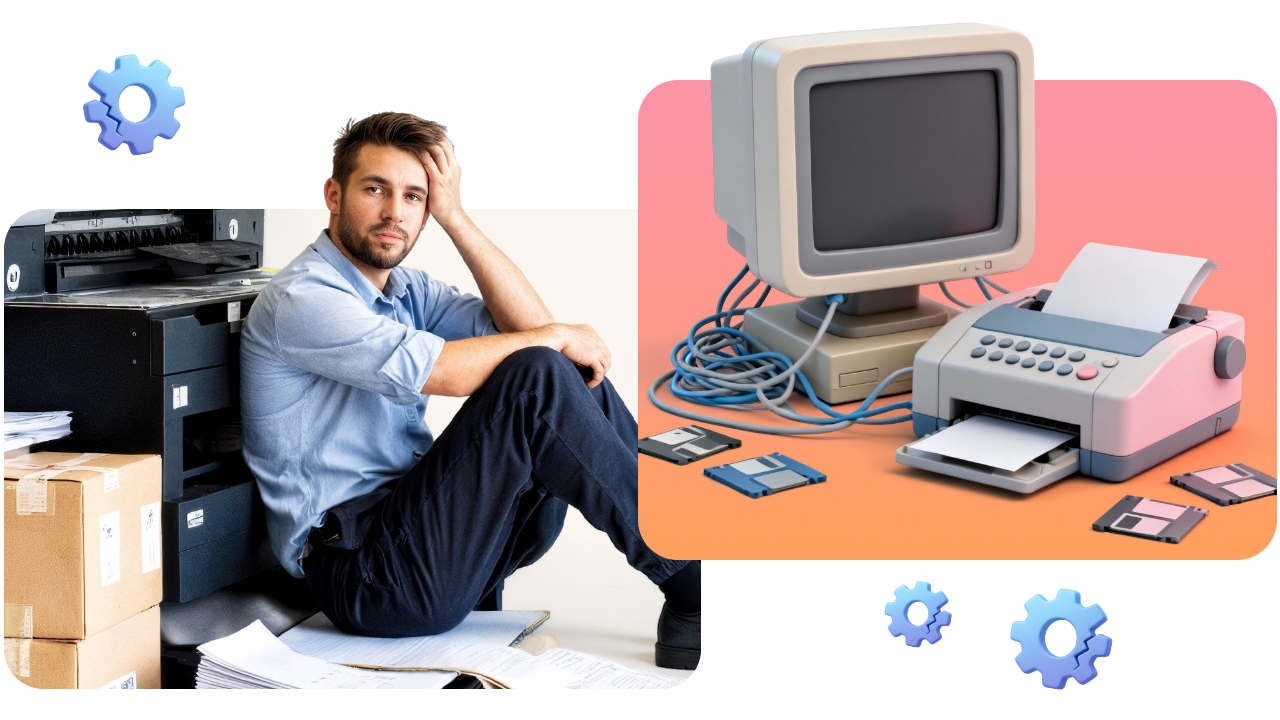
Why PSPs Hold On to Outdated Tools
Pradeep Sankaran, SVP of Product at Gelato, has worked with dozens of PSPs to review their setups. He points to three common reasons why PSPs stick with tools that no longer serve them:
-
They worked well once. Many tools were the right choice for their time. They onboarded customers, enabled growth, and solved immediate challenges.
-
The sunk cost effect. Teams are trained, processes are built, and leaders hesitate to start over. Change feels more disruptive than standing still.
-
Hidden dependencies. Often one person becomes the in-house “expert” who knows how to hack the system to keep it running. Replacing the tool feels risky if that knowledge disappears.
These are all understandable reasons. But over time, the costs of staying outweigh the comfort of familiarity.
Signals That a Tool Is Holding You Back
So how can PSPs tell when a tool has crossed the line from helpful to harmful? In Episode 2, three telltale signals came up again and again:
-
Inability to say yes to new opportunities. If customers are asking for API integrations, e-commerce flows, or personalization — and your systems can’t support it — that’s a sign the tool is limiting growth.
-
Manual staffing as the only solution. If the only way to handle new orders is by adding people, not scaling processes, it suggests the tool can’t keep up with today’s digital order volume.
-
Workarounds on top of workarounds. If you’re building spreadsheets, plugins, or custom scripts just to fill gaps, it’s a clear indicator the core system no longer fits.
A Real PSP Example: GSB Digital
One example comes from GSB Digital in New York. They were using a conventional MIS designed for larger, offset-style jobs.
-
For big, custom orders, it worked.
-
But when smaller, digital orders came in from web-to-print storefronts, the MIS couldn’t process them efficiently.
-
Staff ended up manually writing job tickets, rekeying orders, and managing prepress by hand.
Margins eroded. A $100 digital order could take as much manual work as a $10,000 offset job.
By connecting their storefront directly into an automated workflow with GelatoConnect, GSB Digital eliminated the manual handoffs. Suddenly, digital micro-orders became a growth channel rather than a drain.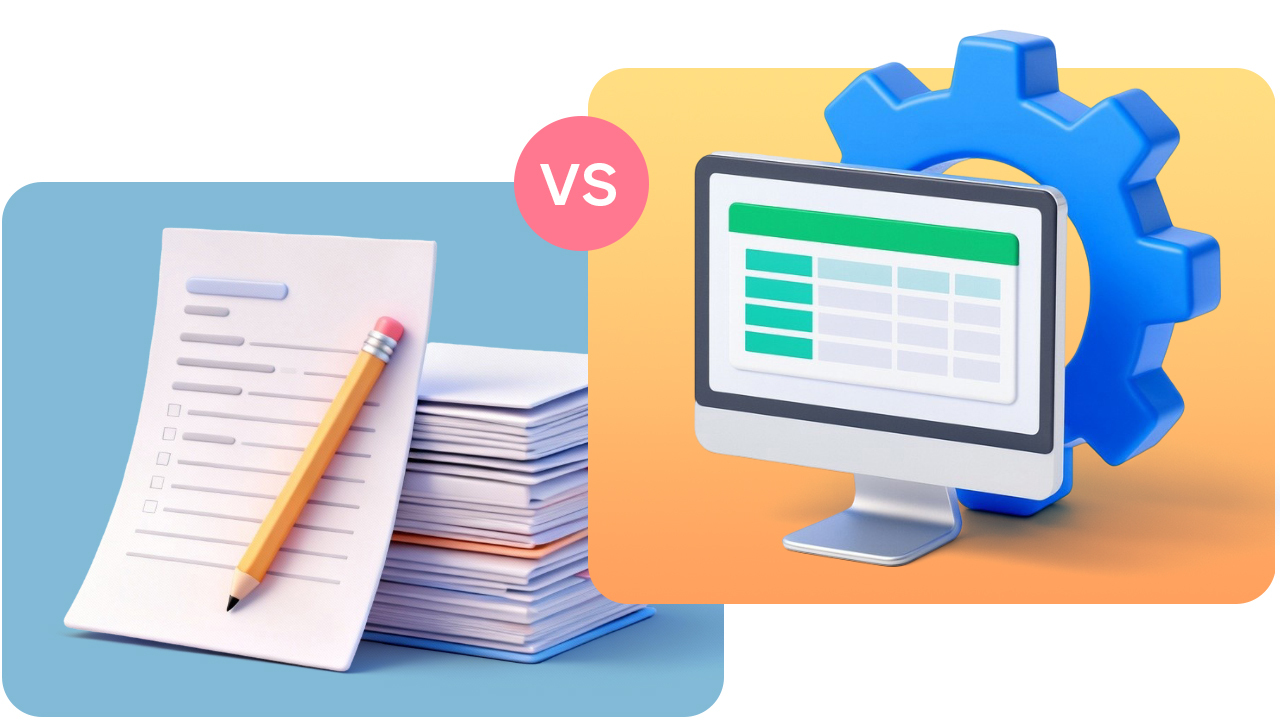
The Hidden Cost of Sticking With the Wrong Tools
It’s easy to underestimate the cost of keeping an outdated tool in place. Some of the hidden impacts PSPs reported include:
-
Lost opportunities. Turning away work or saying no to customers who expect digital integrations.
-
Staff frustration. Teams spend more time fixing, patching, and working around limitations.
-
False sense of stability. What feels “safe” actually creates risk — because outdated systems are harder to maintain and scale.
When these hidden costs add up, they can quietly erode profit margins and growth potential.
How to Decide What to Fix First
The question isn’t whether to change, but where to start. Episode 2 suggested a simple prioritization framework:
-
Map your workflows. Trace an order from intake to delivery. Identify every manual handoff, duplication, or workaround.
-
Benchmark against peers. Compare your processes with other PSPs to see what “good” looks like. As Pradeep notes, measuring is the first step to change.
-
Identify the biggest bottleneck. Look for the area causing the most wasted time or customer friction — whether that’s quoting, onboarding, or shipping.
Start with the pain point. Resist the urge to overhaul everything. Focus on the one change that will have the most visible impact.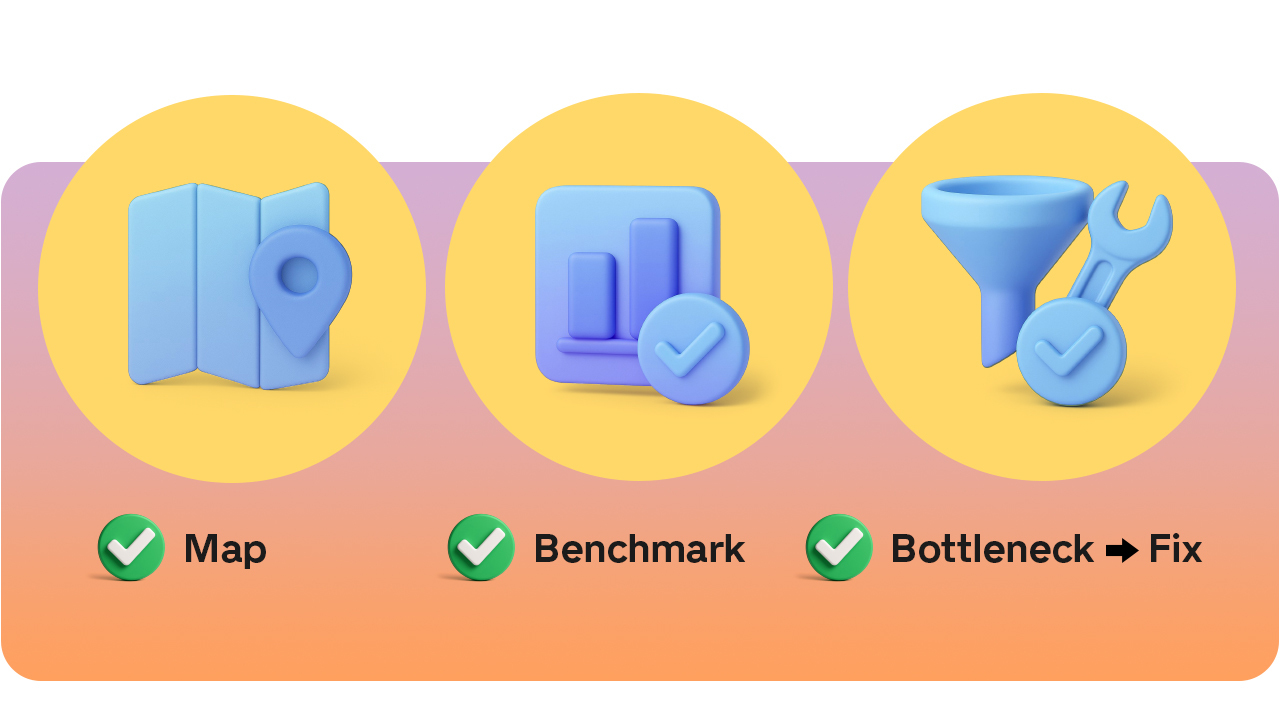 Growth Opportunities Hidden in the Fix
What’s striking is that fixing a broken tool often doesn’t just remove a pain point — it creates new growth opportunities.
Pradeep shared how many PSPs, once freed from outdated MIS setups, suddenly find themselves able to accept more digital work, add new storefronts, or diversify product lines.
That’s exactly what happened with GSB Digital. Once their storefront connected directly to workflow automation, they were able to say “yes” confidently to more e-commerce orders — something that wasn’t possible before.
The Human Side of Change
It’s worth acknowledging that changing tools is rarely just a technical project. It’s also about people.
-
Operators may resist leaving behind systems they know well.
-
Leaders may worry about disrupting customer service during the transition.
-
IT teams may feel protective of tools they’ve maintained for years.
Episode 2 emphasized that these concerns are valid — but they can be managed with a clear plan, data-driven ROI analysis, and by focusing on the future opportunities rather than just the current pain.

Takeaway: Fix the Bottleneck, Unlock the Future
Holding onto outdated tools is not a sign of poor leadership — it’s a natural outcome of growth. What once worked well may simply not fit the realities of today’s digital, on-demand world.
The key is recognizing the signals, measuring the impact, and choosing where to start.
As Pradeep put it:
“The question is whether your tools are preparing you for the future — or holding you back.”
By fixing the bottleneck first, PSPs can free their teams from manual firefighting, create space for growth, and unlock new opportunities that outdated tools have been hiding.
Download our What to Fix First Checklist to begin.

-2-1024_1024_download3-2.webpgbvp.webp)